November 18, 2026
Cracked concrete rarely stays a small problem in a busy facility. A hairline fracture near a loading dock can widen under forklift wheels, and a shallow spall in a production aisle can turn into a tripping hazard within a single season. When it's time to make repairs, most maintenance teams face a familiar choice: reach for a traditional cement-based patching compound or invest in a high bond strength epoxy. Both options fill holes and level surfaces, but they behave very differently once the repair goes back into service. Understanding those differences helps you choose a material that matches the demands your floors face every day.
How Traditional Patching Compounds Work
Traditional concrete patching compounds typically combine portland cement, sand, and various additives that improve workability. Once you mix them with water, they cure through hydration, the same chemical process that hardens new concrete. Because they share a similar makeup with the slab, many people assume these compounds will blend seamlessly with the surrounding surface.
That assumption doesn't always hold up. Cement-based patches rely mostly on a mechanical bond, which means they grip the rough texture of the existing concrete rather than forming a strong chemical connection with it. As the patch cures, it can shrink slightly and pull away from the edges of the repair area. Over time, that small gap invites moisture, dirt, and debris, which can loosen the patch from below.
Traditional compounds still have a place. They work well for cosmetic repairs, low-traffic areas, and situations where budget concerns outweigh performance requirements. They're also widely available and familiar to most crews. However, in our experience, cement-based patches in heavy-traffic industrial zones often need attention again within one to two years, especially when equipment rolls over them daily.
How High Bond Strength Epoxy Performs
High bond strength formulas take a different approach. These two-part systems combine a resin with a hardener, triggering a chemical reaction that creates a dense, rigid material. Instead of simply sitting in the damaged area, a quality epoxy penetrates the pores of properly prepared concrete and forms a bond that often exceeds the strength of the concrete itself.
That bond makes a major difference under stress. When a forklift crosses a repaired section, the load transfers through the patch and into the slab instead of prying the patch loose. Non-shrink formulations also maintain full contact with the edges of the repair, so you avoid the gaps that cause so many traditional patches to fail.
Resin-based compounds also resist many of the substances that break down cement. Oils, chemicals, and corrosive cleaning agents tend to soak into porous patches and weaken them from within. A dense resin surface keeps those substances on top, where your team can clean them away before they cause damage.
How Each Option Handles Industrial Stress
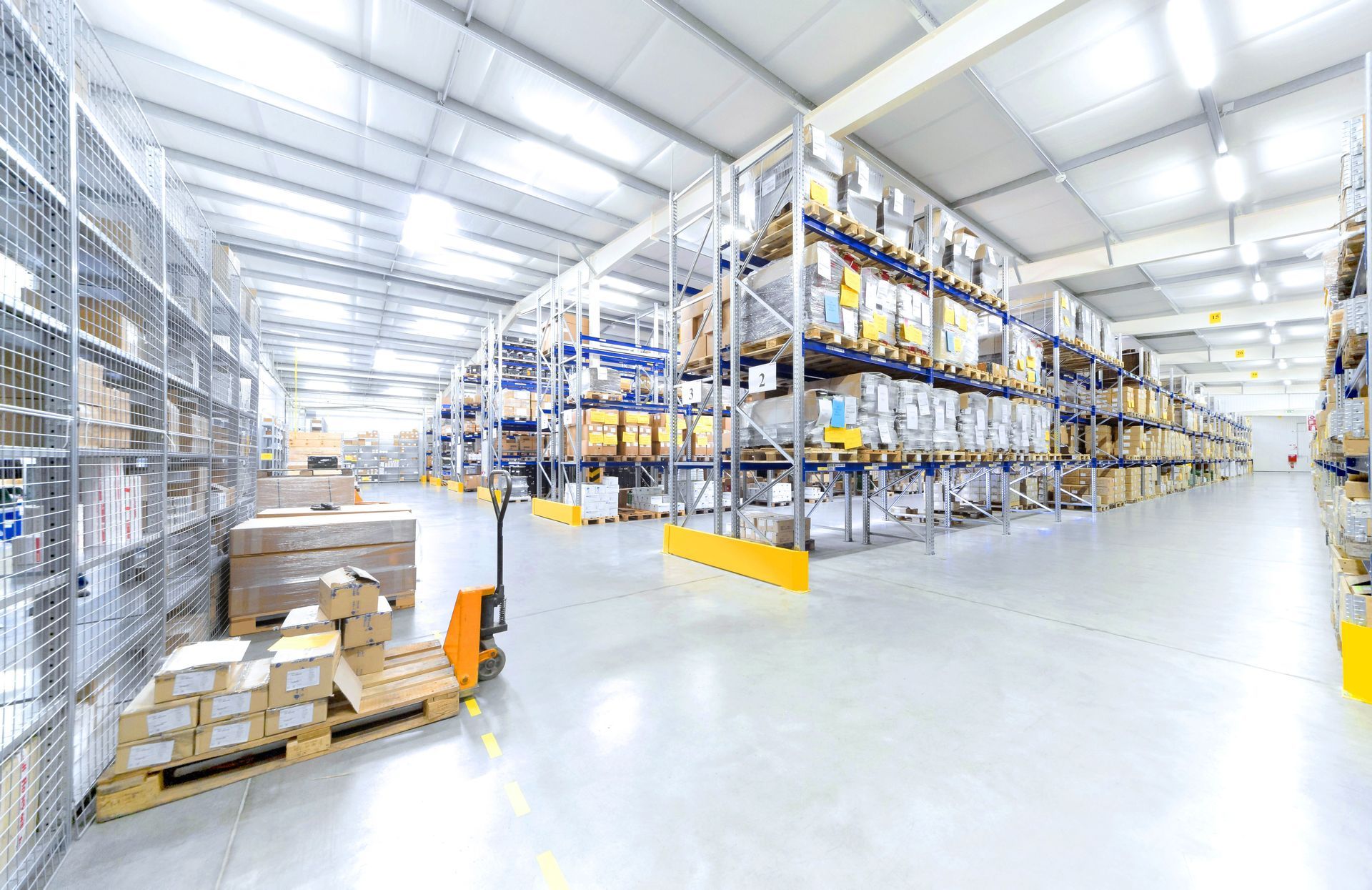
Industrial floors face a combination of challenges that residential surfaces never encounter. Heavy loads, constant abrasion, temperature swings, and spills all work together to wear down repairs. The material you choose determines how well a patch holds up against that daily punishment.
Cement-based compounds generally handle compression reasonably well, but they struggle with impact and abrasion at the edges. Steel forklift wheels can chip away at a patch's perimeter, and once the edges begin to crumble, the rest of the repair often follows. Freeze-thaw cycles add further strain in unheated warehouses and exterior loading areas, since water trapped in tiny gaps expands and cracks the patch apart.
An epoxy repair handles these stressors with far more resilience. Its strong adhesion keeps the edges locked in place, and its toughness helps it absorb repeated impacts without breaking down. For facilities that move heavy equipment across the same paths all day, this durability translates directly into fewer repeat repairs and less disruption to operations.
How Curing Times Compare
Downtime is one of the biggest concerns for any facility manager planning a repair. Every hour a section of floor stays closed can slow production, reroute traffic, and create scheduling headaches. Both repair materials need time to cure, and the timeline depends heavily on the product, the temperature, and the scope of the project.
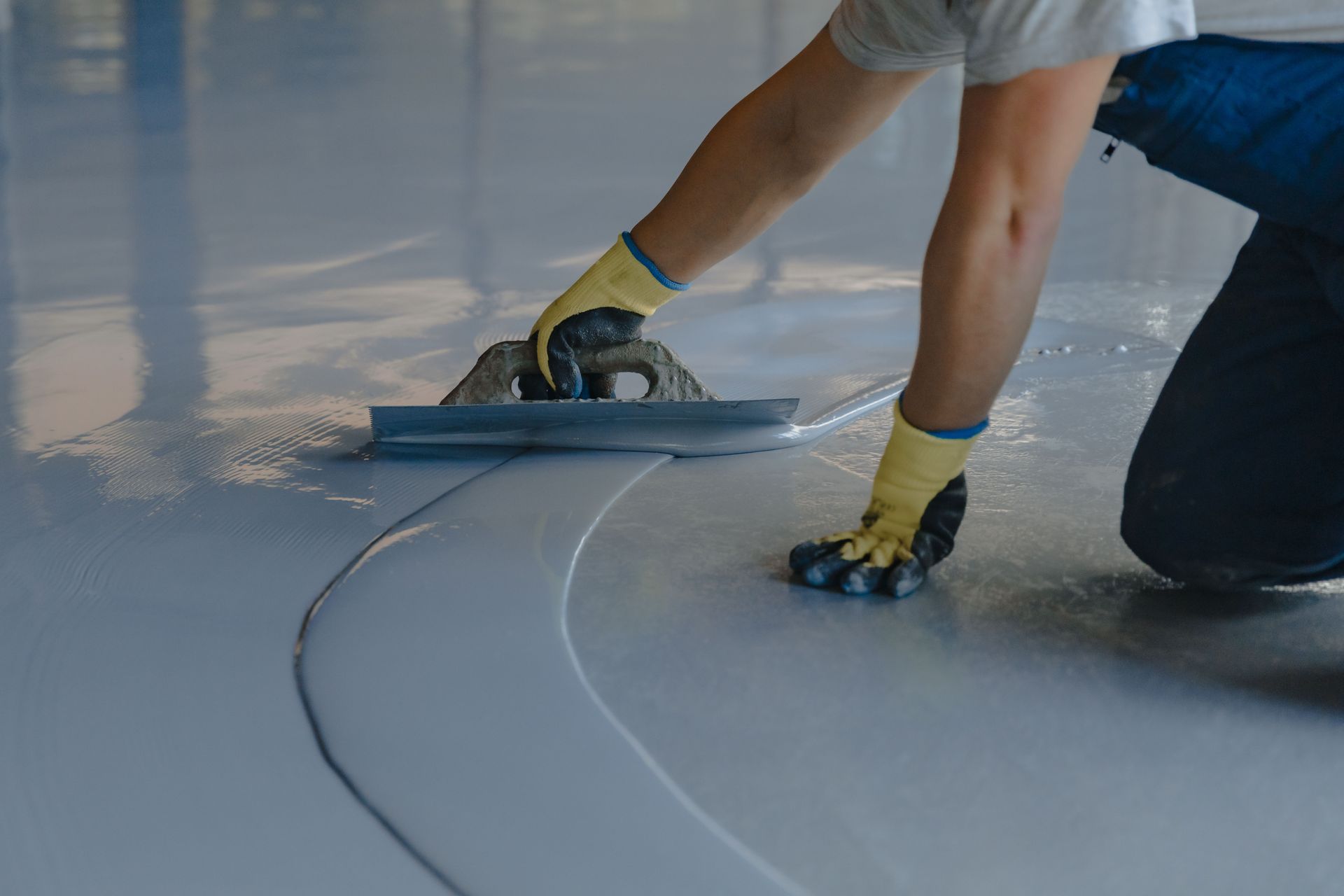
Many repair formulas reach a workable strength relatively quickly, but full coatings require more patience. According to This Old House, an epoxy floor and its topcoat typically need seven days to cure completely before they're ready to support foot or vehicle traffic. That timeline applies to full floor coating systems, and it highlights why careful planning matters when you're resurfacing large areas.
Fast-curing patching compounds can shorten that window considerably for spot repairs. Choosing the right formulation for your schedule lets you balance speed with long-term performance. Traditional cement patches may also need several days of moist curing to reach their intended strength, so they don't always offer the time advantage that people expect.
How Specialty Conditions Change the Choice
Some repair environments push standard materials past their limits. Wet surfaces, oil-saturated concrete, freezing temperatures, and chemical exposure all complicate the patching process. Traditional compounds often fail to bond in these conditions at all, which leaves crews waiting for ideal circumstances that may never arrive.
Specialty epoxy formulations solve many of these problems. Some products bond to damp or wet concrete, while others cure in cold temperatures that would stall a conventional repair. Certain formulas tolerate oil and grease contamination, and chemical-resistant options stand up to harsh washdowns in processing plants. Food and beverage facilities can also choose coatings approved by the United States Department of Agriculture (USDA) to help them meet strict sanitation standards.
Expansion joints present another unique challenge. These joints move as the slab expands and contracts, so rigid patches can crack under the strain. Flexible joint repair products accommodate that movement while protecting joint edges from forklift damage, keeping transitions smooth and safe.
How Professional Guidance Improves Results
Even the strongest repair material can fail if someone applies it incorrectly. Surface preparation plays a huge role in the success of any patch. Crews need to remove loose concrete, clean away oils and contaminants, and create the right surface profile before they apply anything. Mixing ratios, application temperatures, and cure times also need close attention.
That's why working with professionals makes such a difference. An experienced manufacturer can help you identify the root cause of the damage, recommend a formulation suited to your environment, and walk your team through proper application. Technical support also helps you avoid costly mistakes, such as choosing a standard epoxy for an area that really needs a chemical-resistant or low-temperature product.
Professional guidance also helps you plan repairs around your production schedule. Instead of patching the same spots again and again, you can invest in solutions that last and keep your facility running smoothly.
Traditional concrete patching compounds still serve a purpose for light-duty and cosmetic repairs, but they often fall short in demanding industrial settings. High bond strength epoxy delivers stronger adhesion, better chemical resistance, and longer-lasting results where heavy traffic and harsh conditions take their toll. By matching the right material to your facility's needs, you can reduce repeat repairs, improve safety, and protect your concrete for years to come.
At R. C. Davis Co Inc, we've manufactured American-made epoxy repair products for industrial and commercial facilities since 1973. We offer rapid price quotes, same-day shipping, and US-based technical support to help you choose the right formulation for your project. Contact us today to get your concrete repairs started on solid footing!