November 17, 2026
Epoxy flooring is a practical investment for facilities that need dependable performance, particularly in warehouses, manufacturing plants, and distribution centers. When forklifts, pallet jacks, and heavy equipment move across a floor every day, even small installation mistakes can eventually become expensive problems. Getting the most from epoxy requires more than choosing a durable product; preparation, application, and curing all influence how well the finished surface performs. Understanding these details helps property owners and facility managers make better decisions about long-term flooring performance.
Selecting the Right Epoxy Formulation
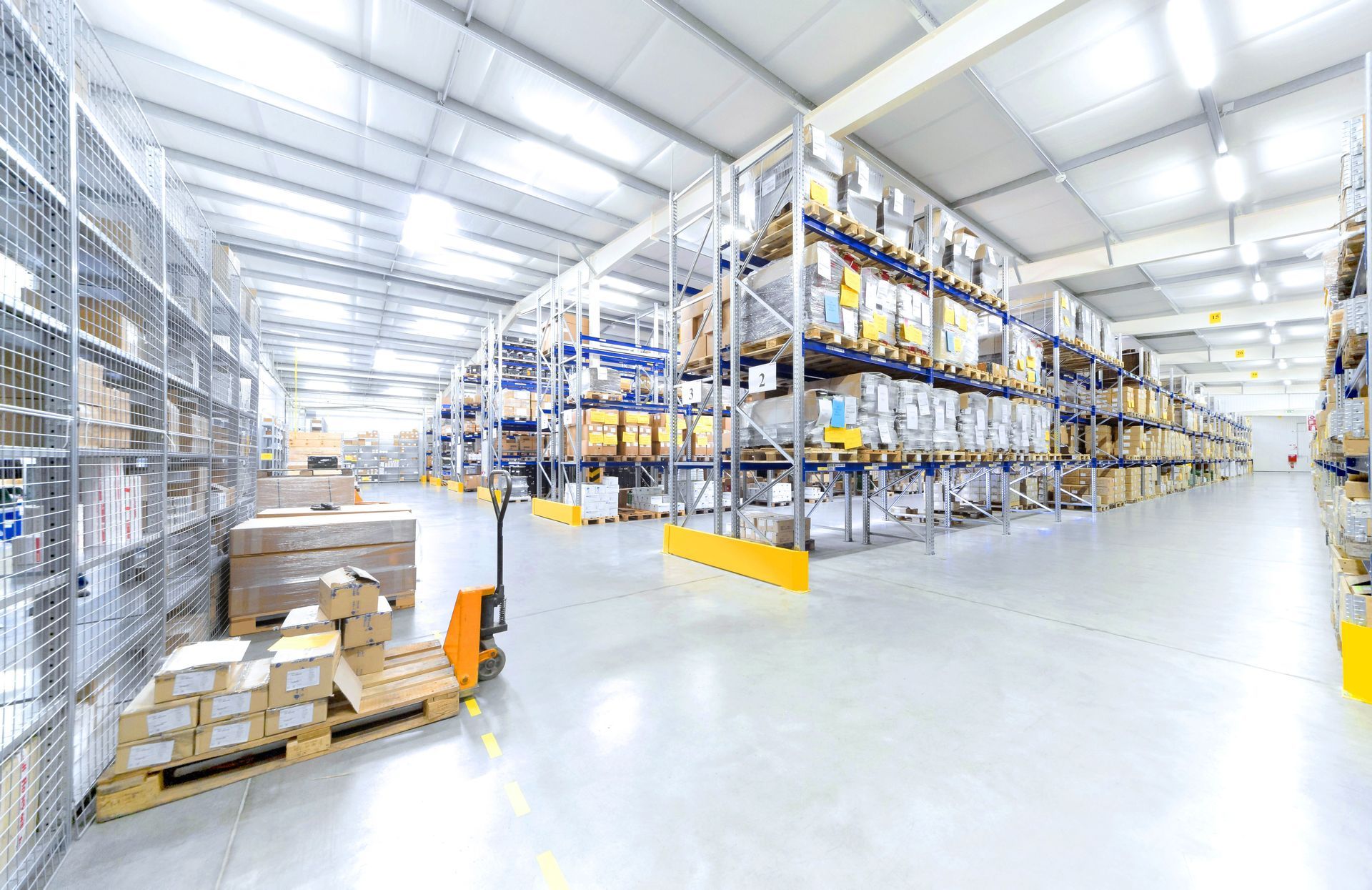
Choosing the appropriate epoxy system is one of the most important steps toward achieving a strong, durable floor. Industrial environments experience different demands, including repeated wheel loads, impacts, chemical spills, and constant movement. Selecting epoxy for heavy forklift traffic means considering the flooring system's compressive strength, abrasion resistance, and ability to withstand repeated mechanical stress. A product designed for light commercial spaces may not deliver the same performance under demanding warehouse conditions.
The formulation also affects how the floor responds to temperature changes, cleaning chemicals, and everyday wear. Some systems provide greater flexibility, while others emphasize hardness and resistance to abrasion. Facility managers should evaluate the operating environment before choosing a coating rather than relying exclusively on appearance or initial installation costs. Matching the material to actual workplace conditions creates a stronger foundation for reliable performance.
Preparing the Surface for Better Bonding
Surface preparation plays a major role in determining whether epoxy remains securely bonded to concrete. Dust, grease, moisture, and existing coatings can interfere with adhesion, allowing sections of flooring to separate under pressure. Before installing epoxy for heavy forklift traffic, contractors should evaluate the concrete, identify contamination, and remove materials that could compromise bonding. Proper preparation helps the coating establish a dependable connection with the substrate.
Mechanical preparation methods, including grinding or shot blasting, can create the surface profile needed for effective adhesion. Cracks, damaged areas, and uneven sections should also receive appropriate attention before installation begins. Concrete moisture testing is particularly important because excessive moisture can contribute to blistering, bubbling, or coating failure. Taking these steps seriously helps prevent problems that might otherwise appear after equipment begins moving across the finished floor.
Maintaining the Correct Mixing and Application Process
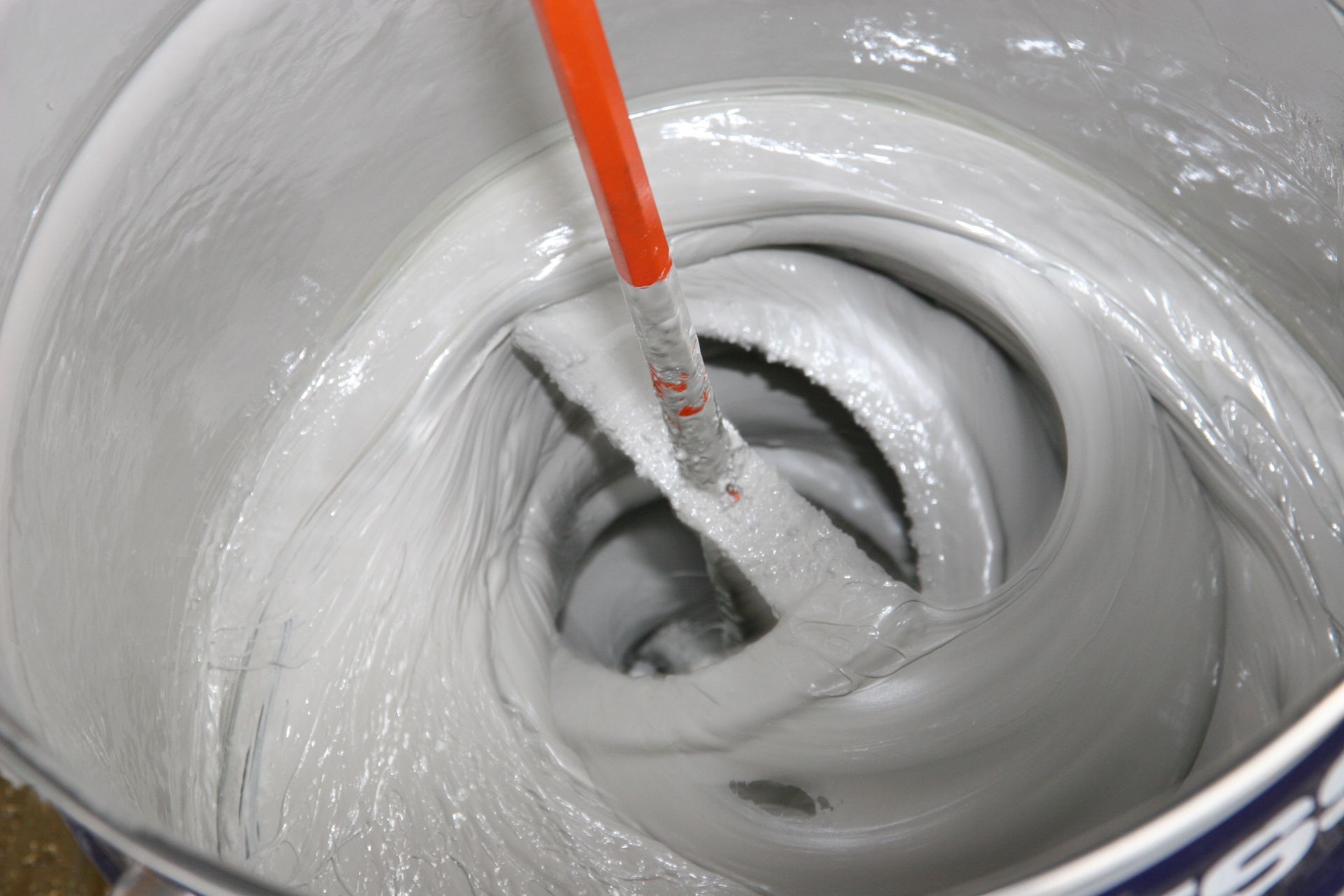
Epoxy systems depend on accurate mixing to develop their intended mechanical properties. Resin and hardener must be combined according to the manufacturer's specified proportions, and installers should avoid estimating measurements by eye. When applying epoxy for heavy forklift traffic, inconsistent mixing can create soft areas, uneven curing, or sections that lack the strength needed for industrial use. Following established procedures helps maintain consistency throughout the installation.
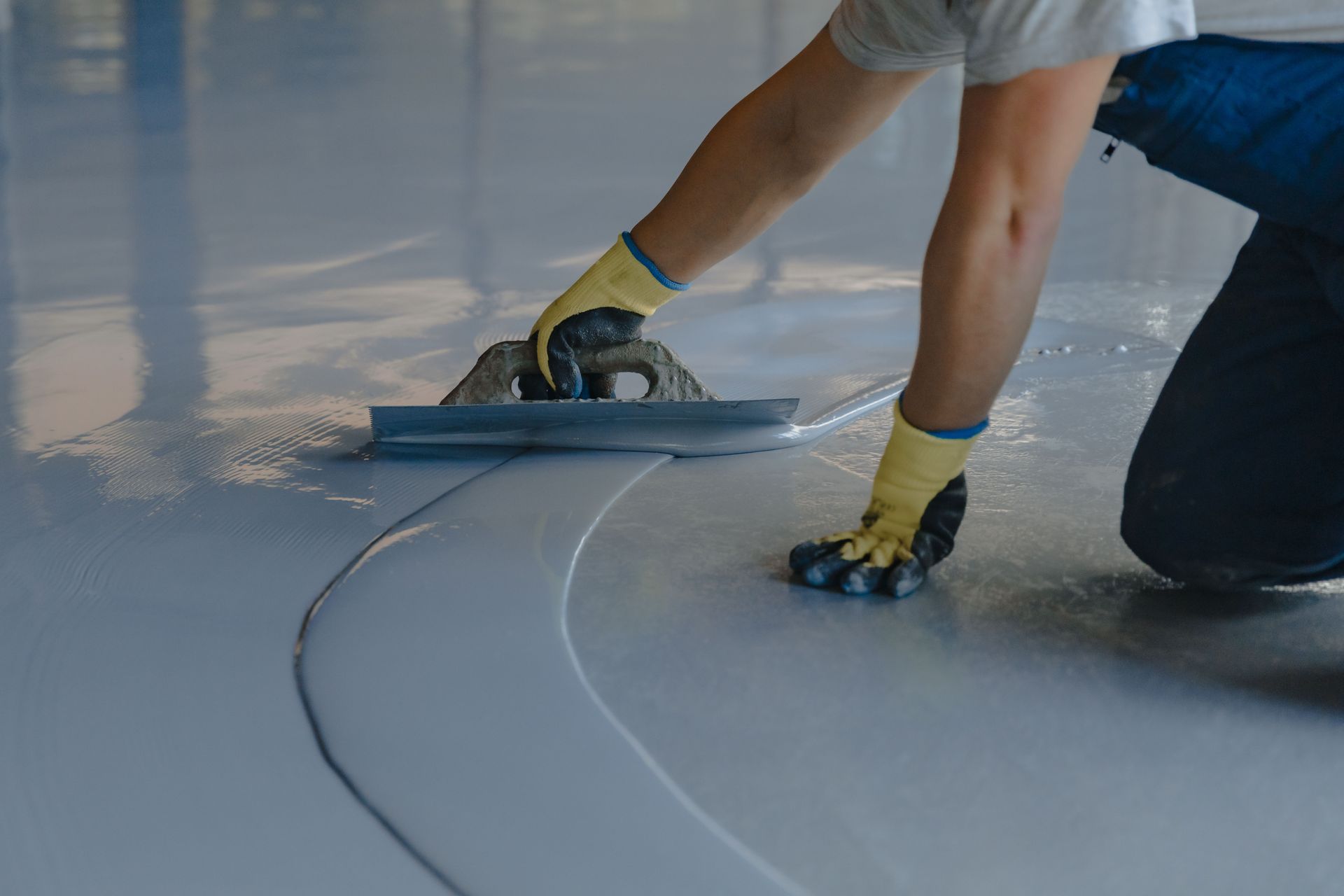
Application techniques also influence the finished surface. Contractors need to distribute the material evenly, maintain appropriate thickness, and address potential air bubbles before the coating hardens. Large industrial floors require particular attention because variations in application can become more noticeable across extensive areas. Careful installation creates a more uniform surface that supports dependable operation and easier maintenance.
Controlling the Curing Process
Curing is where a carefully installed epoxy system develops the properties it was designed to deliver. Temperature, humidity, ventilation, and the manufacturer's timing recommendations all affect how the coating hardens. According to This Old House, an epoxy floor and its topcoat generally need about seven days to finish setting before they are ready for foot or vehicle traffic. That waiting period matters because opening a floor too early can compromise the finish and reduce its service life.
Facilities should plan installation around this downtime rather than rushing the schedule. Keep people, vehicles, and equipment off the surface for the recommended interval, and maintain suitable environmental conditions throughout curing. For epoxy for heavy forklift traffic, allowing the coating to reach its specified cure is especially important before heavy loads or repeated wheel movement begin. Patience during this stage helps protect the investment made in materials and labor.
Protecting the Floor From Everyday Wear
Even a durable coating benefits from consistent care once operations resume. Sweep or dust-mop regularly to remove grit that can act like sandpaper beneath forklift tires, and clean spills promptly using products approved for the flooring system. Avoid harsh chemicals or abrasive tools unless the manufacturer confirms they are suitable. These straightforward habits help preserve the surface and keep routine maintenance manageable.
Traffic patterns also influence long-term performance. Repeated turning, braking, and pivoting in the same locations can place concentrated stress on the coating, particularly around loading areas and narrow aisles. Where practical, review routes and operating practices to reduce unnecessary sharp turns or dragging loads. Epoxy for heavy forklift traffic performs best when the flooring system is supported by sensible equipment use and a maintenance plan.
Inspecting Damage Early
Regular inspections make it easier to identify small issues before they spread. Look for chips, cracks, worn areas, peeling edges, or changes in texture, especially near joints, ramps, dock doors, and turning zones. Documenting these locations helps maintenance teams recognize recurring patterns and determine whether damage is related to impact, moisture, substrate movement, or traffic. Early attention can prevent a localized repair from becoming a larger disruption.
Repairs should match the original system and follow compatible preparation procedures. Simply covering a damaged spot without removing loose material or addressing the underlying cause may lead to another failure. When evaluating epoxy for heavy forklift traffic, consider whether the affected area needs a patch, a renewed topcoat, or a broader resurfacing solution. A qualified flooring professional can help assess the damage and recommend a practical repair approach.
Planning For Long-Term Performance
A durable epoxy floor begins with realistic expectations and a plan that accounts for the facility's operating demands. Consider equipment weight, tire materials, traffic frequency, chemical exposure, cleaning routines, and the condition of the concrete before selecting a system. These details help determine the appropriate coating build, surface preparation, and maintenance requirements. Planning around actual use is more effective than choosing a product based on a generic durability claim.
Budgeting should also account for preparation, installation downtime, repairs, and ongoing care rather than focusing only on the initial price. A well-matched system may reduce interruptions and maintenance demands over time, although no coating is immune to misuse or wear. Epoxy for heavy forklift traffic can provide dependable service when product selection, installation, curing, and maintenance work together.
Facility managers should also consider how operational changes could affect the flooring system over time. Adding heavier equipment, increasing warehouse throughput, or changing storage layouts may introduce different stress patterns across the concrete surface. Reviewing these changes with a flooring professional helps determine whether existing coatings remain suitable or require additional protection. A proactive approach makes it easier to maintain performance without waiting for visible deterioration to interrupt daily activities.
Maximum epoxy strength and durability depend on more than selecting a high-quality product or completing a single installation step. Achieving lasting performance requires the right formulation, thorough surface preparation, accurate mixing, consistent application, and sufficient curing time. Once the floor is ready for use, regular cleaning, routine inspections, and timely repairs help protect the coating from everyday wear and prevent minor issues from developing into larger problems. By understanding how these factors work together, facility managers can make informed flooring decisions that support operational efficiency, reduce maintenance concerns, and extend the life of their investment. For guidance on durable industrial flooring solutions and project requirements, contact R. C. Davis Co Inc to discuss your flooring needs and determine the right approach for your facility.