October 20, 2026
A single leaking oil pan can leave a dark blotch on a garage floor that lingers for years. Concrete acts like a hard sponge, and once motor oil, transmission fluid, or grease soaks into its pores, scrubbing rarely brings the surface back to its original color. In busy service bays, fleet garages, and home workshops alike, those stains spread quickly and make the whole space look neglected. Fortunately, high-grade epoxy products give you a way to stop the problem before it starts. A properly applied epoxy system seals the concrete, keeps fluids sitting on top of the surface, and makes cleanup far easier. Below, we'll look at why oil causes so much damage, how coatings protect against it, and what it takes to get a long-lasting result on your garage floor.
How Oil Damages Unprotected Concrete
Bare concrete looks solid, but it's full of tiny capillaries and pores that pull liquids below the surface. When oil drips from a vehicle or piece of equipment, it doesn't just sit there. It wicks downward and outward, staining a much wider area than the original spill. Over time, petroleum products can also soften the cement paste near the surface, which leads to dusting, pitting, and flaking.
Different fluids cause different problems, too. Motor oil leaves dark, spreading rings, while transmission fluid and power steering fluid often leave reddish stains that are just as stubborn. Road salt and de-icing chemicals tracked in during winter can combine with these fluids and accelerate surface deterioration even further.
Oil stains create more than a cosmetic headache. A slick film on the floor raises the risk of slips and falls, especially in garages where people walk back and forth between vehicles and workbenches. Saturated concrete also causes trouble down the road if you ever want to coat the floor, since contaminated surfaces resist bonding. Many conventional coatings peel or blister when oil migrates up from below. That's why protecting the floor early, before years of drips build up, saves you time, money, and frustration. The longer a garage floor goes without protection, the deeper the contamination travels and the harder it becomes to correct.
How Epoxy Products Shield Garage Floors
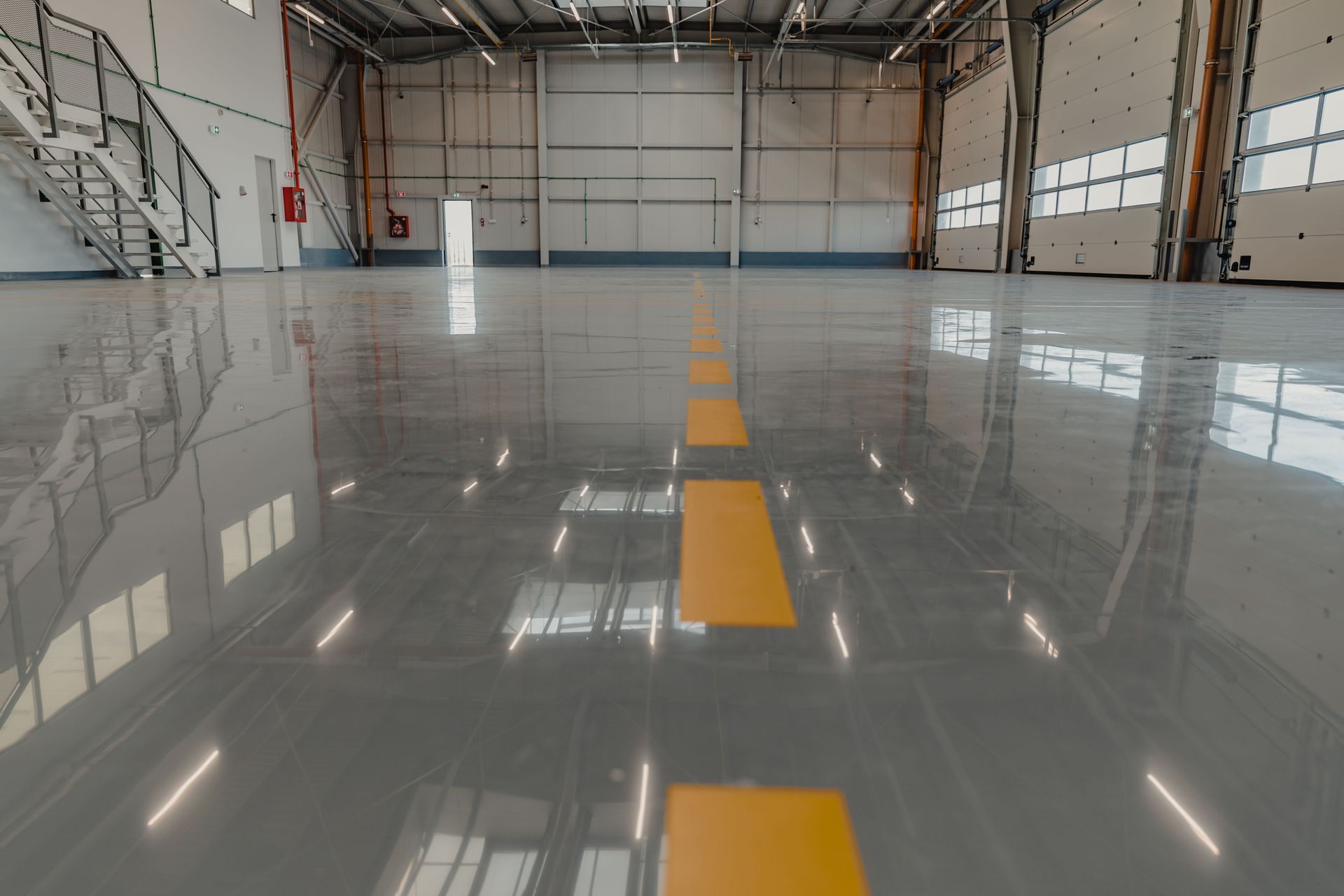
Epoxy coatings cure into a hard, non-porous layer that bonds tightly to properly prepared concrete. Instead of soaking into the slab, oil and other fluids stay on top of the coating, where you can wipe them away with a rag or mop. According to This Old House, epoxy flooring delivers two major advantages: it improves the look of a garage, and it guards the concrete underneath against stains and other damage. Those two benefits work hand in hand, since a floor that resists staining also stays attractive longer.
High-quality epoxy products also stand up to the abrasion that comes with rolling tires, dropped tools, and heavy equipment. Many formulations resist gasoline, brake fluid, antifreeze, and harsh cleaning chemicals as well. For commercial garages and maintenance facilities, chemical-resistant epoxies add another layer of defense against the solvents and degreasers technicians use every day. The glossy, sealed surface also reflects light, which can brighten a dim garage and make spills easier to spot before anyone tracks them around. Add a non-slip coating to the system, and you get a floor that's both cleaner and safer underfoot.
How Proper Surface Prep Improves Adhesion
Even the toughest coating will only perform as well as the surface beneath it. Epoxy needs clean, sound, slightly textured concrete to form a strong mechanical bond. Surface preparation typically involves removing dirt, loose material, and old coatings, then profiling the concrete through grinding or shot blasting so the epoxy has something to grip.
Cleaning also deserves special attention in a garage. Before any grinding begins, degrease the floor thoroughly and allow it to dry completely, since lingering residue can contaminate abrasive pads and spread oil across clean areas. It's also wise to test a small section for moisture by taping down a plastic sheet overnight and checking for condensation underneath. These simple checks help you catch problems early and choose the right materials for the job.
Moisture and temperature matter too. Damp slabs and cold conditions can interfere with curing, so it's important to check conditions before you begin and choose epoxy products designed for the environment you're working in. Fill cracks, spalls, and pitted areas with concrete repair epoxies or epoxy patching compounds first so the finished floor stays level and uniform. Skipping these steps often leads to bubbling, lifting, or premature wear, which defeats the purpose of coating the floor in the first place. Taking the time to prep correctly gives you a smooth, durable base that keeps oil stains from ever reaching the concrete again.
How Specialty Formulas Handle Oil-Saturated Areas
What if your garage floor already has years of oil soaked into it? Standard coatings struggle on heavily contaminated concrete because the residual oil prevents a reliable bond. Degreasers can lift surface stains, but they rarely pull out everything trapped deep in the slab. Fortunately, manufacturers formulate some epoxy products specifically to bond to oil- and grease-saturated concrete, giving you a path forward without tearing out and replacing the floor.
These specialty formulas allow you to restore stained areas in service bays, loading docks, and machine shops where drips are a daily reality. Other specialized epoxy products address related challenges, such as wet surface applications, low-temperature installations, and expansion joint repairs. Choosing the right formula for your conditions makes a major difference in how long the floor lasts. A product built for clean, dry concrete simply won't hold up the same way on a slab that's been absorbing motor oil for years. Matching the material to the problem keeps the coating bonded so it continues to protect your floor well into the future.
How Professional Guidance Protects Your Investment
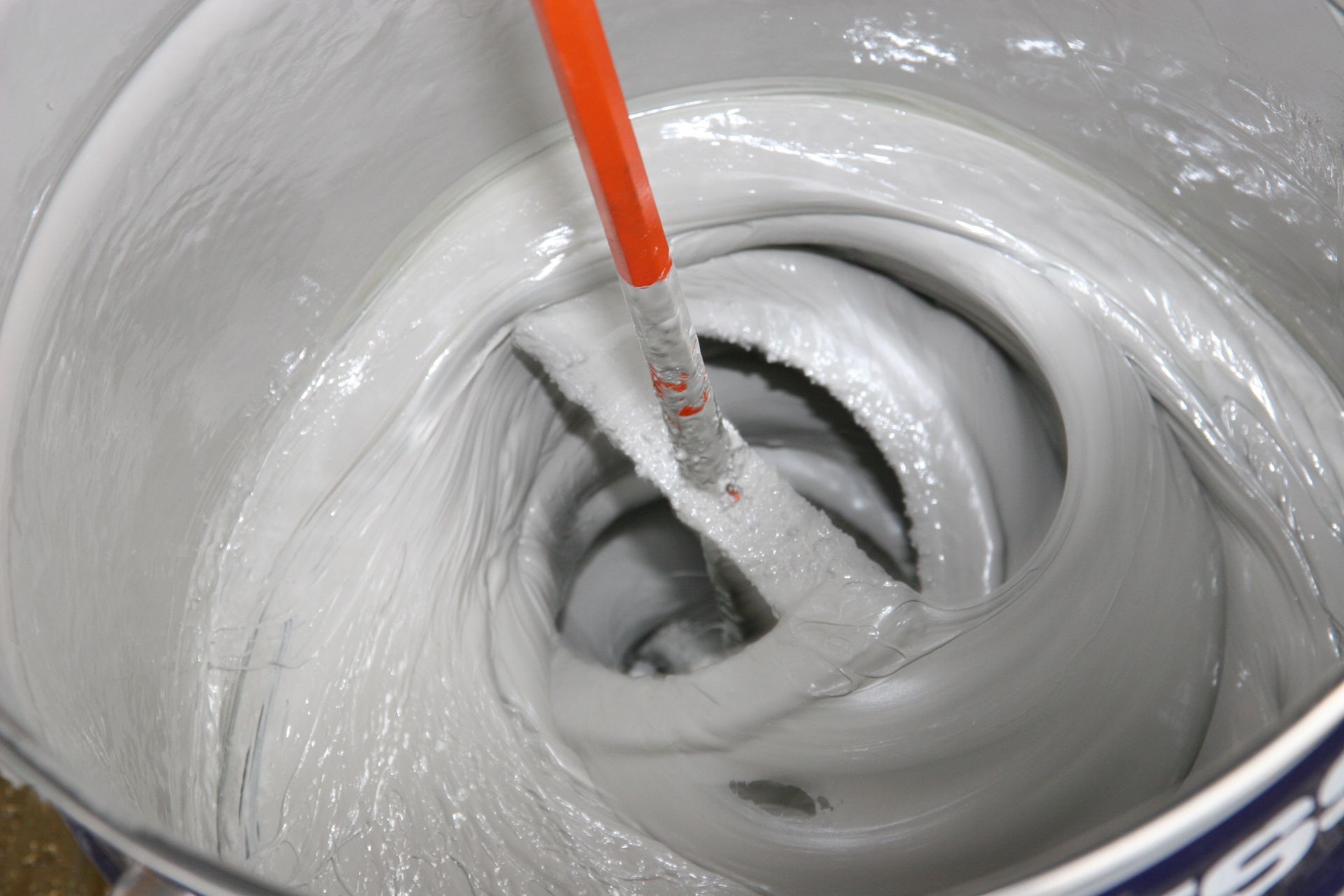
Selecting and applying epoxy products isn't always as simple as it looks on the label. Mixing ratios, pot life, cure times, and coverage rates all affect the final result, and small mistakes can lead to soft spots or uneven finishes. Working with an experienced manufacturer gives you access to people who understand how each formula behaves and which one fits your floor.
Knowledgeable technical support can help you assess the condition of your concrete, recommend the right combination of repair materials, sealers, and coatings, and walk you through each stage of the application. That guidance is especially valuable for facility managers who can't afford extended downtime or repeat repairs. Professionals can also help you plan around temperature, humidity, and traffic so the coating cures fully before vehicles return to the floor. A good supplier will also answer follow-up questions after the sale, so you're never left guessing if conditions change mid-project. When you rely on proven materials and knowledgeable advice, you avoid costly trial and error and get a garage floor that resists oil stains, cleans up easily, and looks great for the long haul.
Oil stains don't have to be a permanent part of your garage. High-grade epoxy products protect your concrete, improve safety, and give your garage a clean appearance that lasts.
If you're ready to stop oil stains in their tracks, we're here to help. At R. C. Davis Co Inc, we've manufactured heavy-duty epoxy solutions since 1973, including floor coatings, concrete sealers, and specialty formulas for oil- and grease-saturated areas. We offer rapid price quotes, same-day shipping, and U.S.-based technical support to guide you. Contact us to find the right epoxy products for your garage floor.