September 18, 2026
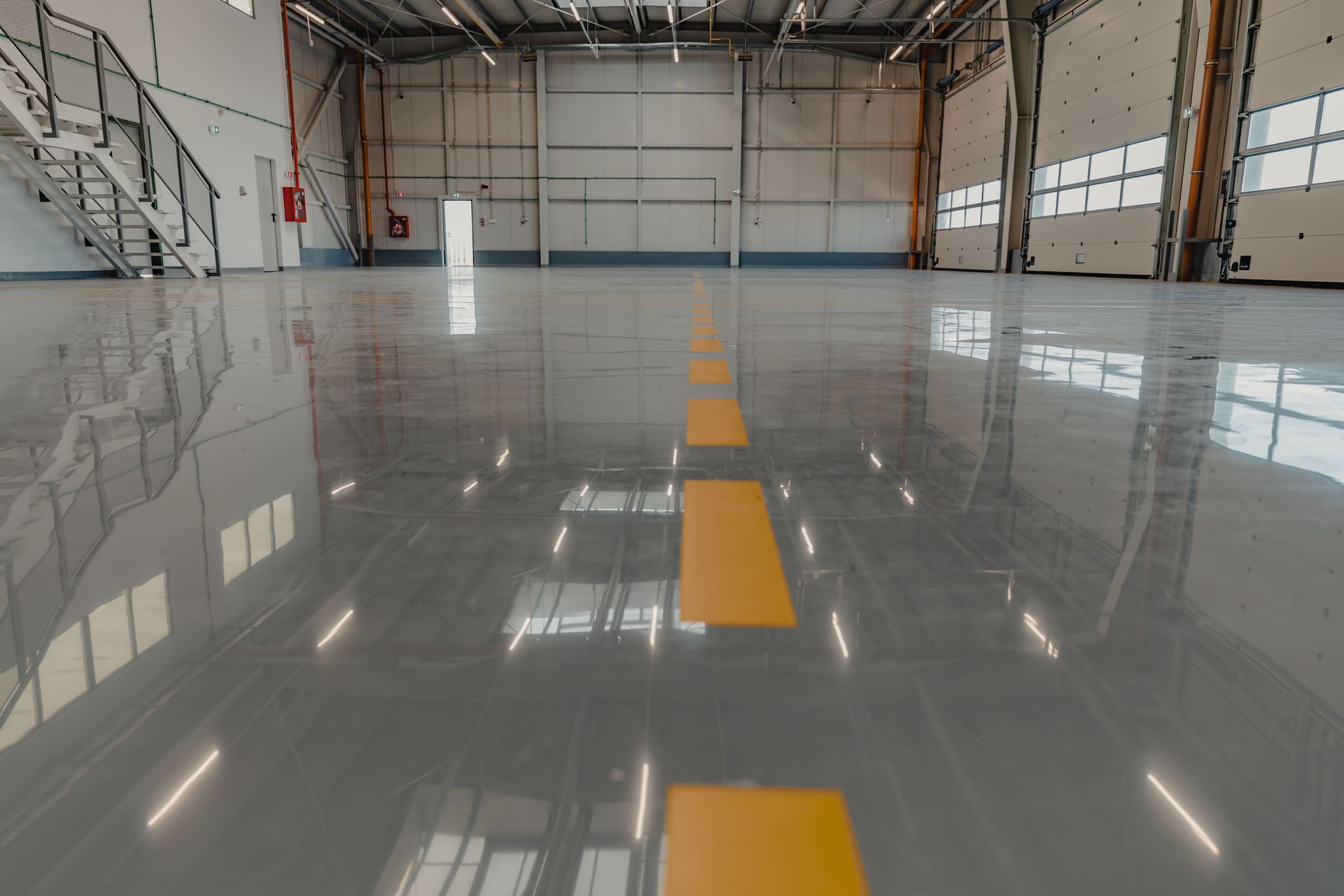
Industrial flooring systems and high-performance surface coatings rely heavily on strong chemical bonds to deliver exceptional long-term durability across commercial facilities. When properly applied, modern synthetic coatings transform bare floor space into an impenetrable, easy-to-clean barrier capable of withstanding heavy machinery and daily wear. However, even the most durable floor system can fail prematurely if environmental conditions and underlying slab preparations are not carefully managed. Understanding how substrate composition, surrounding temperatures, and hidden dampness interact is essential for preserving structural integrity and protecting your facility investment over time.
Structural Characteristics of Substrate Slabs
The foundation beneath any high-performance coating determines the overall success and longevity of the application. Concrete remains a porous, dynamic material that continuously responds to ambient temperature shifts and internal moisture levels. According to This Old House, epoxy requires concrete that has cured for at least 60 days and remains unsealed to properly bond. Applying protective coatings over fresh or improperly prepared slabs traps excess hydration beneath the surface layer, preventing deep mechanical anchoring. Working with experienced professionals ensures that concrete foundations meet strict age, surface profile, and dryness requirements prior to any coating application. Thoroughly testing older slabs for previous treatments or deep contamination also helps prevent unexpected bonding issues during installation.
Mechanical Surface Preparation
Achieving a permanent bond requires more than just pouring liquid coatings onto a smooth concrete floor. Mechanical surface profiling, such as diamond grinding or shot blasting, removes weak top layers and opens up tiny surface pores. This structural roughening allows high-grade epoxy to penetrate deep into the concrete matrix, creating a strong mechanical interlock that resists heavy foot traffic and vehicle movement. Skipping proper surface prep leaves invisible contaminants like oil and old sealers behind, which drastically reduces bond strength and causes premature delamination. Creating an optimal concrete surface profile ensures that every layer adheres firmly and performs reliably under daily commercial operations.
Ambient and Substrate Temperature Factors
Temperature plays a crucial role in controlling the chemical reaction that transforms liquid resin into a solid protective shield. Ideal application temperatures generally range between sixty and eighty degrees Fahrenheit for both the air and the underlying concrete slab. When temperatures drop too low, liquid mixtures become thick and viscous, making uniform application nearly impossible and slowing down the curing cycle. Conversely, extreme heat accelerates the chemical reaction, dramatically shortening working time and increasing the likelihood of brush marks, air bubbles, and uneven surface finishes. Monitoring climate conditions throughout the entire curing period prevents unexpected structural flaws from developing in the finished floor.
Vapor Pressure and Hidden Moisture Intrusion
Moisture trapped within or beneath a concrete slab poses a constant threat to high-performance floor coatings. As ground temperatures fluctuate, liquid moisture travels upward through porous concrete as vapor, accumulating directly beneath the impervious surface barrier. This vapor pressure builds steadily until it forces the coating away from the concrete substrate, creating unsightly blisters, bubbles, and physical peeling. Comprehensive slab testing helps identify moisture vapor emission rates early, allowing installation crews to apply effective moisture-mitigating primers before installing the main coating layers. Investing in proper vapor barriers prevents costly premature failures and extends the total operational lifespan of your floor system.
Relative Humidity and Dew Point Precautions
Environmental moisture in the air can compromise floor installation projects just as easily as dampness within the concrete slab itself. High relative humidity slows down the evaporation of solvents and water content in certain primer systems, leading to incomplete curing. More importantly, if the substrate temperature drops within three degrees of the current dew point, microscopic condensation forms on the prepared concrete surface. Applying protective coatings over an invisible moisture film prevents chemical adhesion, resulting in widespread coating failure across the entire floor area. Using commercial dehumidifiers and climate control systems helps maintain stable humidity levels during critical installation phases.
Thermal Expansion and Contraction Stress
Concrete slabs and synthetic floor coatings expand and contract at different rates when exposed to daily temperature changes. Heavy industrial environments subject to thermal shock, such as commercial kitchens or cold storage facilities, experience significant physical stress along the bond line. If the coating material lacks sufficient flexibility or if the initial bond strength is weak, constant thermal cycling causes micro-cracking and eventual separation from the floor. Formulating resilient resin systems designed to absorb movement prevents thermal stress from ruining your floor installation. Incorporating flexible joint treatments along perimeter boundaries further protects the floor system from movement-induced stress.
Surface Contaminants and Chemical Barriers
Industrial concrete floors frequently accumulate stubborn surface contaminants, including grease, hydraulic oils, silicones, and chemical residues from manufacturing processes. These substances fill open pores within the concrete, creating a slick barrier that prevents liquid coatings from making direct contact with the underlying stone matrix. Even microscopic oil films interfere with uniform wetting, leading to fish-eyes, pinholes, and poor adhesion performance. Professional degreasing, deep chemical washing, and mechanical grinding ensure that all foreign substances are completely eliminated before work begins. Conducting spot adhesion tests on heavily contaminated floors provides extra assurance before executing full-scale installation.
Proper Mixing Techniques and Chemical Ratios
High-performance protective coatings rely on precise two-part chemical formulations consisting of liquid resin and hardener components. Deviating from specified mixing ratios or failing to blend the two parts thoroughly leaves unreacted molecules throughout the coating layer. Incomplete chemical reactions result in soft spots, sticky surface residue, and weak mechanical bonding that never reaches full design hardness. Experienced application technicians utilize calibrated mixing equipment and follow strict mixing times to guarantee that every batch cures into a dense, resilient protective surface. Adhering strictly to manufacturer pot-life guidelines prevents material from hardening prematurely inside mixing containers.
Chemical Resistance in Demanding Environments
Commercial facilities rely on heavy-duty surface coatings to protect concrete floors from aggressive chemicals, acids, solvents, and heavy physical impacts. Selecting high-grade epoxy products formulated specifically for harsh industrial conditions ensures that your facility floors remain fully protected against chemical degradation. High-performance coatings resist softening and discoloration when exposed to frequent chemical spills and rigorous sanitation routines. Investing in heavy-duty floor systems maintains smooth operational conditions while preventing costly structural repairs across high-traffic work zones. Adding custom aggregate topcoats can also improve slip resistance and safety for workers operating in wet or oily environments.
Long-Term Maintenance and Inspection Protocols
Protecting your floor coating investment requires ongoing care and periodic inspection to ensure long-term structural integrity. Routine cleaning with neutral pH detergents removes abrasive dirt and grit that can dull the topcoat finish over time. Inspecting high-traffic areas, expansion joints, and equipment landing pads helps identify minor surface scratches before moisture or chemicals reach the bare concrete beneath. Addressing minor wear promptly through routine maintenance preserves the protective barrier and extends the operational lifespan of your entire commercial floor system. Developing a structured cleaning routine ensures your commercial space retains its professional appearance while upholding strict safety standards.
Installing a long-lasting, high-performance floor coating demands meticulous attention to concrete preparation, temperature control, and moisture management. By addressing slab curing requirements, performing mechanical surface profiling, and monitoring environmental humidity, property owners can ensure a flawless application that withstands daily commercial demands. Partnering with seasoned industry professionals eliminates guesswork and guarantees that your facility flooring delivers superior durability, safety, and aesthetic appeal for years to come. When you are ready to upgrade your commercial facility floors with dependable protective systems, contact R. C. Davis Co Inc to schedule a detailed site evaluation and project estimate.